
So I've been asked this question a couple of times, and for the fact that I am consider myself kind of a camera buff, I figured I'd give y'all a little bit of stuff to think about from my repertoire of knowledge on this subject matter. Also, feel free to ask me about cameras anytime, I Love to talk about them!
So, you are all artist, and as any artist you need tools to make your art and a medium to record your art onto. Now, for the longest time that medium for both filmmakers and animators was on long strips of perforated film through motion picture cameras. Now, ENTER THE DIGITAL AGE. SD Cards with capacities that will let you shoot like >9,000 pictures. Nonlinear editing systems that let you correct and add anything you'd like to you're final image. And not only that, you all have the delight being apart of an of intersection of not only the the digital revolution, but also a very recent revolution in cinema called the HD DSLR (High Definition Digital Single Lens Reflex) camera revolution!
Now, I'm sure a lot if not all of you Film Production majors have at least heard of HD DSLRs by this point. For those that may not be familiar with them, they are basically digital still photography cameras with large sensors, and the ability to interchange lenses. And of course, here's the clincher: THEY ALSO ALLOW YOU TO SHOOT BRILLIANT HIGH-DEF VIDEO imagery that of which used to be only designated for high-end digital cinema cameras (i.e. RED ONE, Sony F35) all for less than the price of an HU meal plan! That should be enough to make any aspiring filmmaker leap for joy! Indeed, these are exciting times you are living in! Some of you who are on "Sail Away" know that we are shooting this film on a Canon EOS 7D, which is an HD DSLR. Now there are definitely some difficult drawbacks to these cameras, mainly stemming from the fact that they are cameras for stills first and foremost, but even that is becoming less of a problem as the line between a still and movie camera becomes more and more blurred. Now these aren't meant to replace high-end cinematography cameras that are specifically designed and packaged with features meant for important movie projects, but they are nevertheless a very viable option for student filmmakers!
With some of these cameras being <$800, there is no reason why those of you who are serious about your craft shouldn't own one! It used to cost OVER $20K to get the kind of images produced from these cameras. This is the perfect tool for any aspiring filmmaker to experiment their making their own short films on, and also great for stop motion and compositing HD footage for animators!
In short, for such a cheap price tag you can't go wrong with getting some of these, so I've compiled a list of the top 3 cameras that I would suggest a lot of you get so you can start experimenting with your image making! I have also included a link to a blog and video by Phillip Bloom, who is basically the forerunner for DSLR movie shooting, which talks about different types of cameras and their uses right here:
http://philipbloom.net/2011/10/24/macvideot/
1. Sony NEX 5N - $600 (Body) (technically not a DSLR, but in many ways better!)

2. Panasonic DMC-GH2 - $900 (lens included)
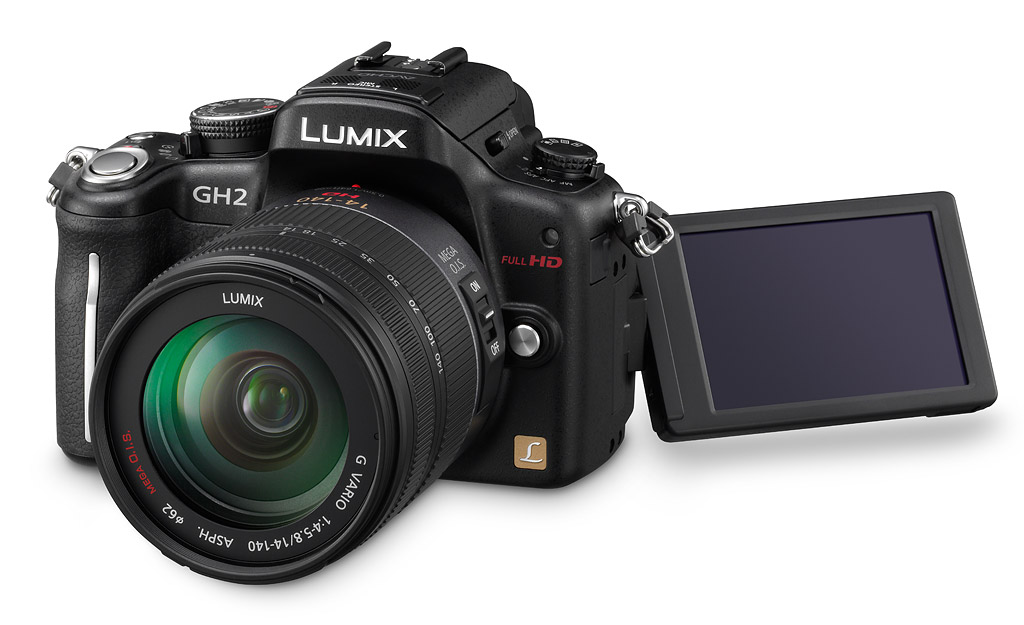
3. Canon EOS Rebel T3i - $672 (Body)

Hope this list helped! Again, these are just tools! A crappy concept and story won't become or look any better on a great camera. Story will always be king, and you should compliment good stories with the tools you use to record them. Like I said, feel free to stop me anytime and ask me about any more of these cameras and my opinions about them! Happy shooting!
~Miles =)

I'd say stick to Canon. Why? The cage here is full of stuff made for the Canon 7D. If you get a t2i or t3i it's more likely that you'll be able borrow the stuff here and it will fit. Not to mention that Canon lenses seem to be preferred. Those I've talked to say they really like Nikon, but they wish they had Canon lenses.
ReplyDeleteAlso,
http://www.hurlbutvisuals.com
This guy is awesome. He's doing stuff with the 7D that's insane. Look up the trailer for Act of Valor. This movie was shot 80% 7D.
BUT ALSO, don't get caught up in it. Shoot your movie on whatever you can get your hands on. Don't wait until you have the this or that. DO IT NOW!
ReplyDeleteThe Texas Chainsaw Massacre became a cult classic before vhs tapes. It was passed around on 8mm reels with splices and bits missing. It managed this because it had a story that held people long after they had seen it.